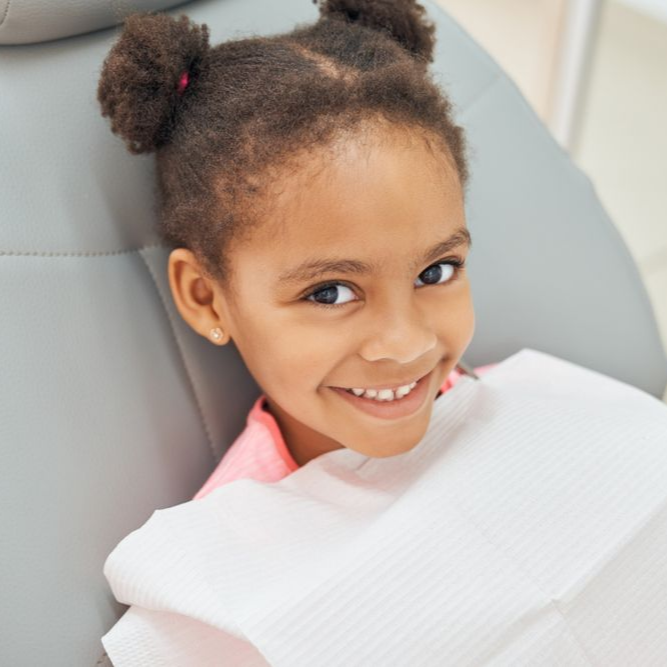

Caring For Your Childs Teeth
The best way to guarantee a lifetime of healthy teeth is to start young. Teaching your child the basics of brushing and flossing will reinforce years of daily habits that promote a cavity-free smile.
Unfortunately, many parents overlook the importance of oral hygiene, which is why children 6-8 years old have some of the highest levels of untreated cavities.
Whether your child has just sprouted their first tooth or on their way to a full set of molars, it’s never too early for dental care. Here are some of the most important tips for keeping a mouthful of healthy teeth:
What’s the best age to begin dental care?
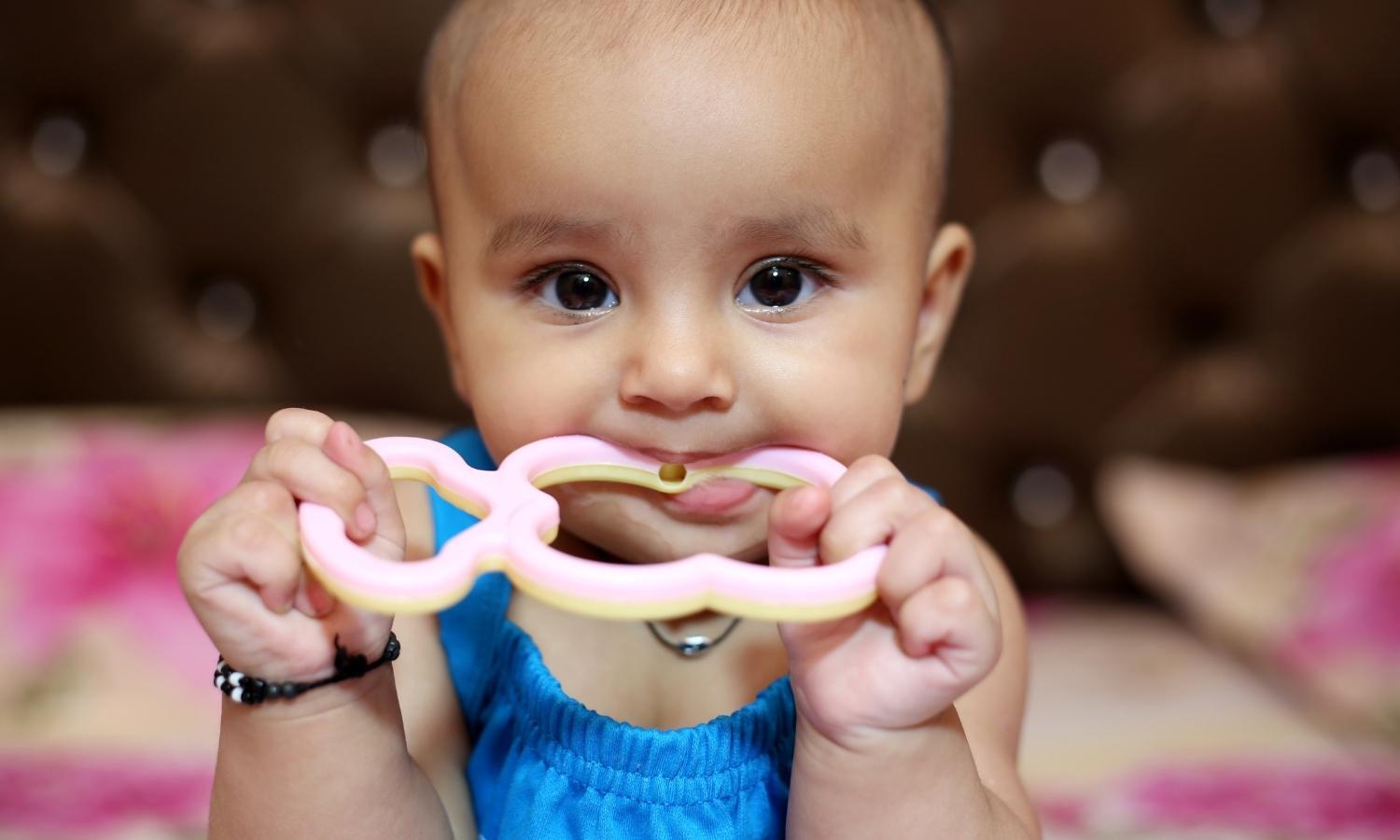
According to the American Dental Association (ADA), oral hygiene should start before your child’s first tooth even comes in. Even for toddlers, dentists recommend using a soft, damp cloth to remove bacteria and food residue from your child’s gums.
Once a tooth has grown in (typically around 6 months), it’s safe to say that soft-bristled toothbrushes should be used to remove plaque and bacteria.
What kind of toothpaste should you use?
Many parents wait until age 2 to begin using fluoride toothpaste with their children because they might accidentally swallow it. In early 2014 though, the ADA actually revised some of these early childhood dental guidelines to include fluoride toothpaste for toddlers.
That’s right – even for kids younger than 2 years old, dentists now suggest using a light smear of fluoride toothpaste (about the size of a grain of rice) to scrub your child’s teeth. This is the best way to combat early cavities and tooth decay.
Once your child is 2-3 years old, they will probably have a full set of baby teeth and you can begin using the recommended pea-sized amount of fluoride toothpaste.
When should you schedule your child’s first visit to the dentist?
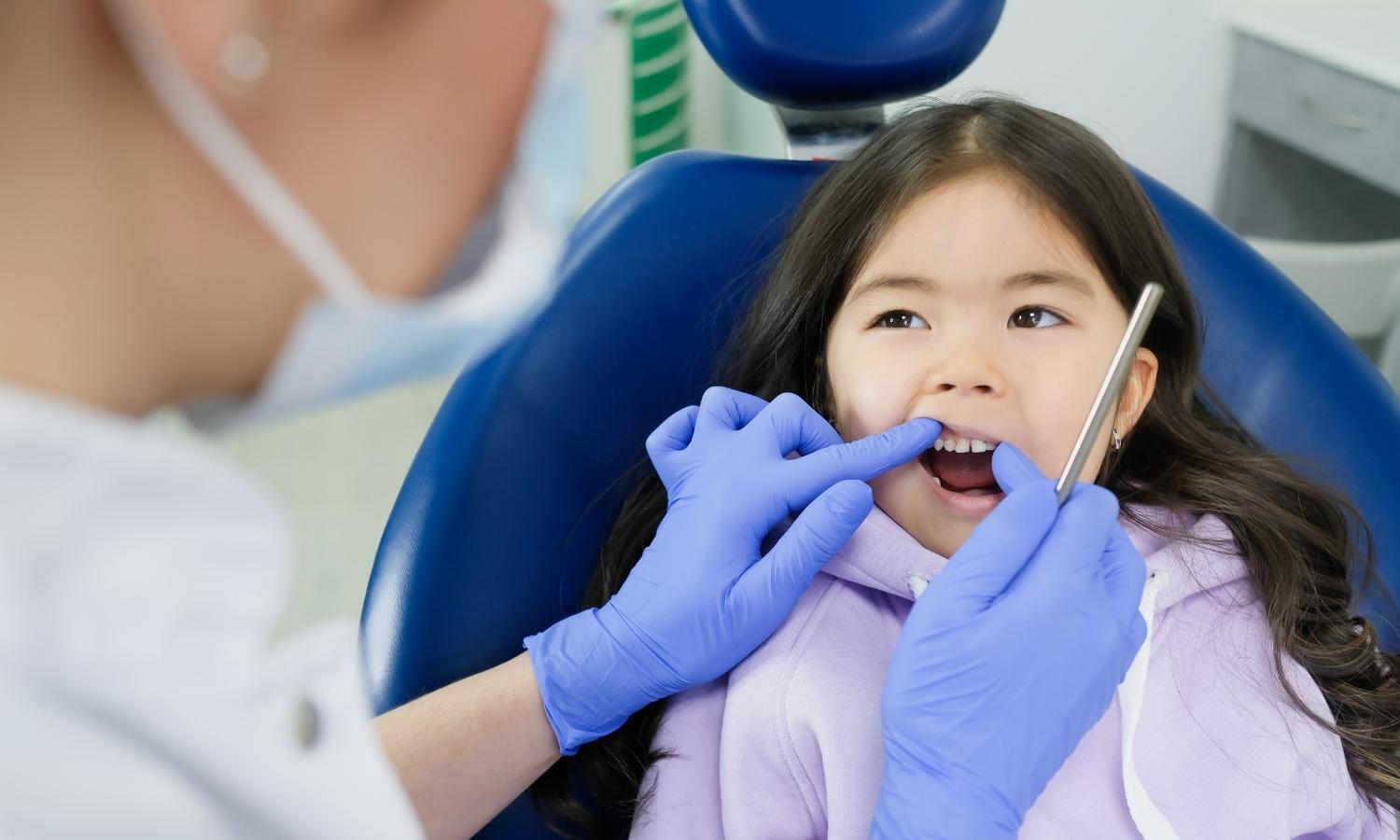
As a rule of thumb, it is typically recommended that your child’s first visit should be six months after their first tooth, but no later than their 1 st birthday.
Should you specifically look for a pediatric dentist?
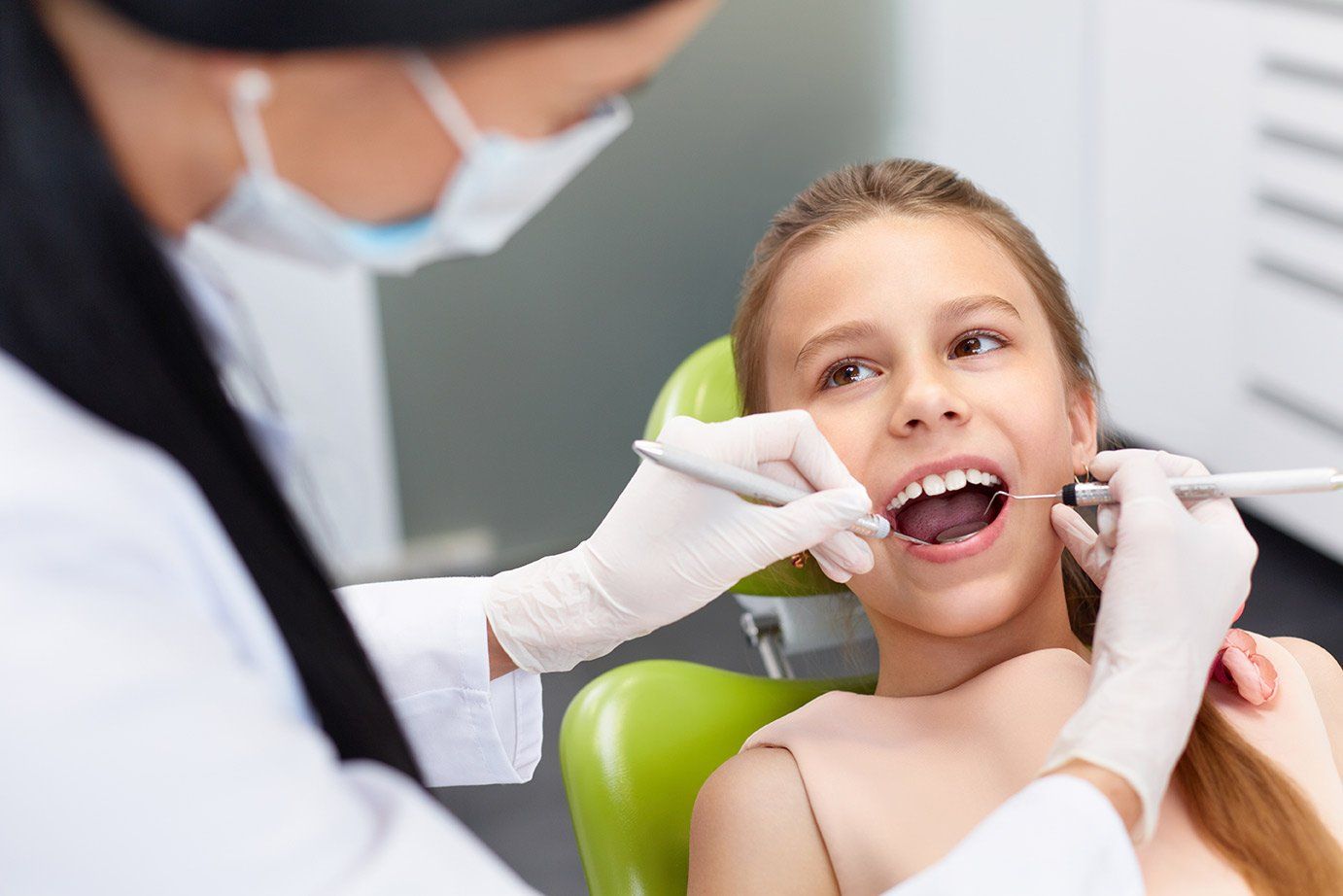
Yes. Pediatric dentists are more familiar with the types of dental problems that children will likely face. Unlike adult dentists, pediatric offices also specialize in making your child feel comfortable. That means less stress for you and your child with each visit.
Until what age should you supervise your child’s brushing?
A popular adage says that kids cannot fully brush their teeth until they can tie their shoes. Until about age 5, you should still be working with your child on a twice-daily basis to make sure they adequately scrub their front teeth (incisors) and back teeth (molars).
Developing a daily routine is the best way to get your child in the habit of dental hygiene. Try brushing your teeth at the same time to serve as a good role model and to show them proper technique. You can even make brushing their teeth fun with entertaining songs, videos, or games.
When should you start flossing with your child?
Flossing is designed to remove sticky residue between the teeth. It is therefore recommended to begin flossing as soon as two teeth are touching – this typically doesn’t happen until age 6 or 7.
What are cavities and how can you prevent them?
Cavities are the most common reason for frequent pediatric dentist appointments, leading to an unhappy child and costly dental bills.
Cavities (or dental caries) are caused when bacteria convert food residue and sugars on your teeth into enamel-eating acid. Children have 50% less enamel protecting their teeth than adults, so parents should pay extra attention to their child’s brushing habits.
Some of the most important steps for reducing cavities are:
- A healthy diet. Sugary foods and snacks can lead to a huge buildup of plaque and bacteria. Minimize your child’s consumption of soft drinks and candy in favor of low-sugar alternatives.
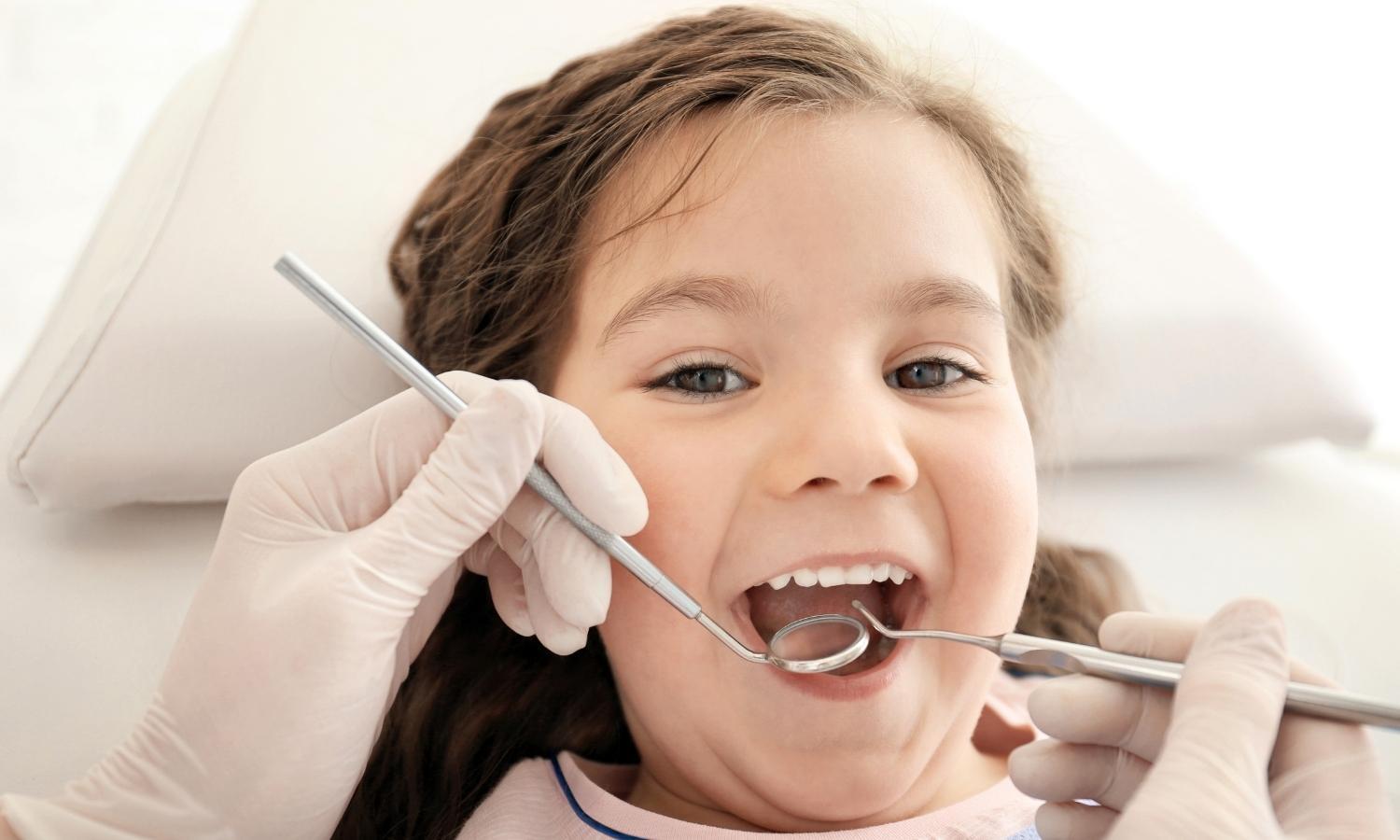
- Regular dentist visits. You can go months or even years without realizing you have a cavity. Taking your child to the dentist every 6 months will ensure that cavities are spotted before they get too serious.
- Developing strong dental habits. Is your child brushing their teeth twice a day? If not, then they are at a high risk of developing cavities. Make sure that you stress the importance of long-term care and frequent brushing.