
Preparing Your Child for Their First Dental Visit

Your child’s first dentist visit is an exciting milestone, but for many parents, it can also bring questions and uncertainty. When should you schedule it? What will happen during the appointment? How can you help your child feel calm and confident?
At All Stars Pediatric Dentistry, we understand that early dental experiences shape how children feel about oral health for years to come. Preparing properly can turn that first visit into a positive, empowering experience for both you and your child.
Below is everything you need to know about preparing for your child’s first dentist visit.
When Should the First Dental Visit Happen?
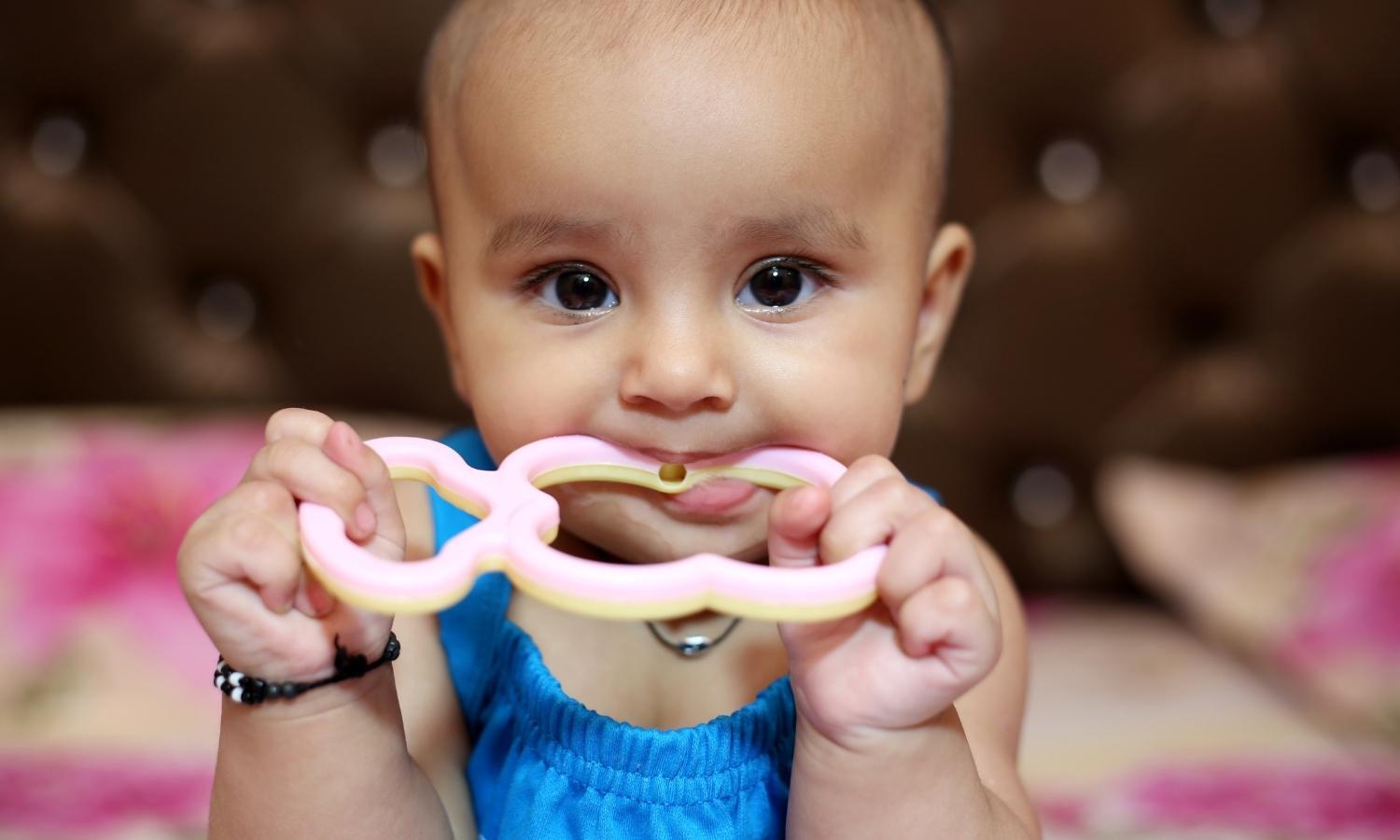
The American Academy of Pediatric Dentistry recommends that children see a dentist by their first birthday or within six months of their first tooth erupting.
Many parents are surprised by how early this is. However, baby teeth play an important role in:
- Speech development
- Proper chewing and nutrition
- Holding space for permanent teeth
- Establishing healthy oral hygiene habits
Scheduling that first dentist visit early helps prevent potential problems and builds comfort with the dental environment.
Why Choosing a Pediatric Dentist Matters
Not all dental offices are designed with children in mind. A pediatric dentist receives specialized training focused on children’s oral health, behavior guidance, and developmental stages.
Choosing the best pediatric dentist in Georgia means selecting a practice that:
- Creates a welcoming, child-friendly environment
- Uses age-appropriate language
- Understands childhood anxiety
- Provides preventive-focused care
- Educates parents along the way
A positive first experience can influence how your child feels about dental visits for the rest of their life.
How to Prepare Your Child Before the Appointment
Preparation can significantly reduce anxiety. Here are practical steps you can take before the first dentist visit.
1. Talk About It Positively
Use simple, upbeat language. For example:
- “The dentist is going to count your teeth.”
- “They’ll make sure your smile is strong and healthy.”
Avoid words that may sound scary, like “hurt,” “needle,” or “drill.” Even if you’re trying to reassure your child, mentioning these terms can create unnecessary fear.
2. Read Books or Watch Kid-Friendly Videos
There are many children’s books and short videos that introduce the concept of going to the dentist in a friendly way. Seeing other children having a calm experience helps normalize the visit.
3. Play Pretend at Home
Role-playing can make the first dentist visit feel familiar. Pretend to count your child’s teeth with a toothbrush. Then let them “check” your teeth too.
This playful rehearsal builds confidence and reduces the fear of the unknown.
4. Schedule Wisely
Try to book the appointment at a time when your child is well-rested and typically in a good mood. Avoid nap times or late afternoons if your child tends to be tired.
What Happens During the First Dentist Visit?
Parents often ask what to expect. The first appointment is typically gentle and educational.
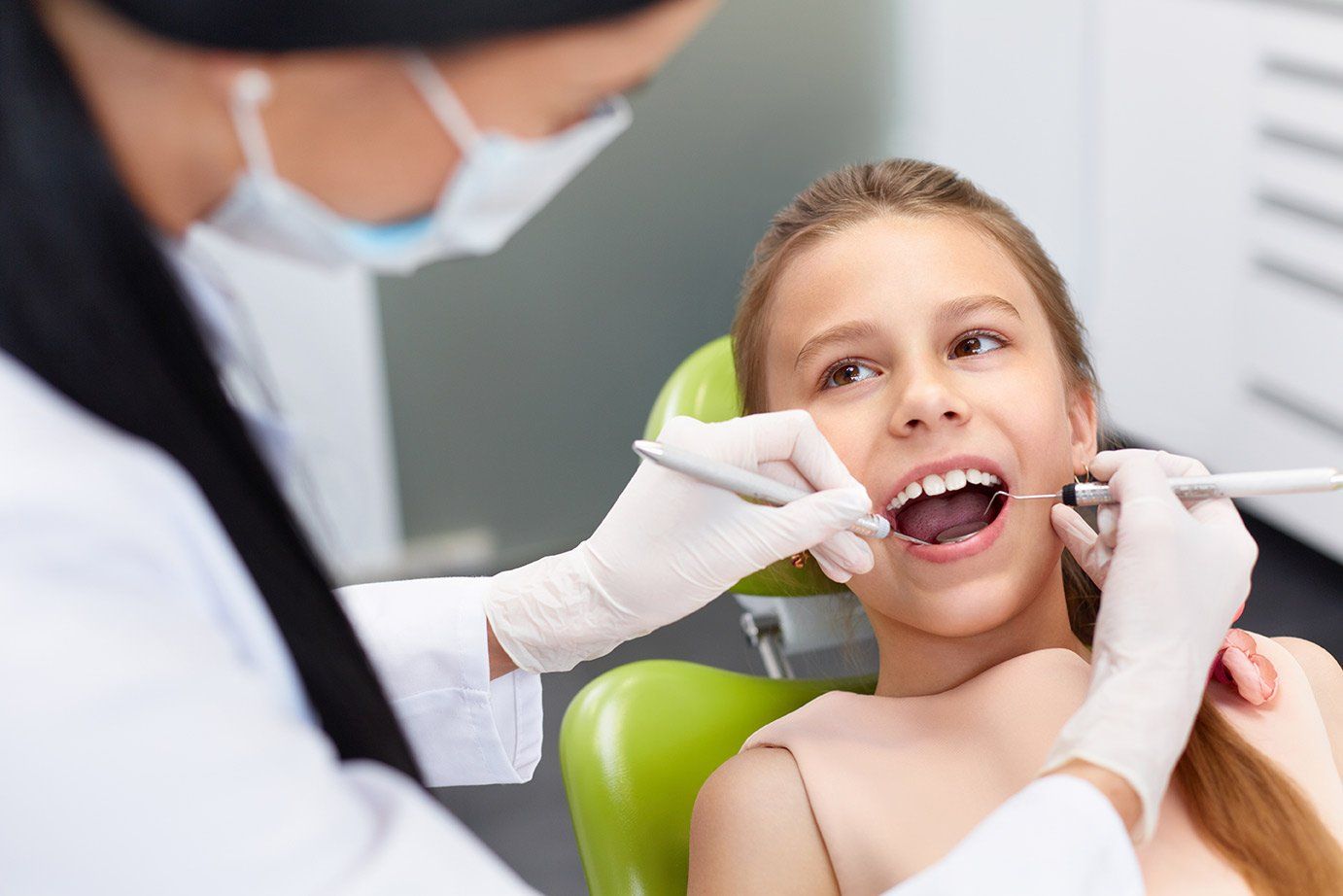
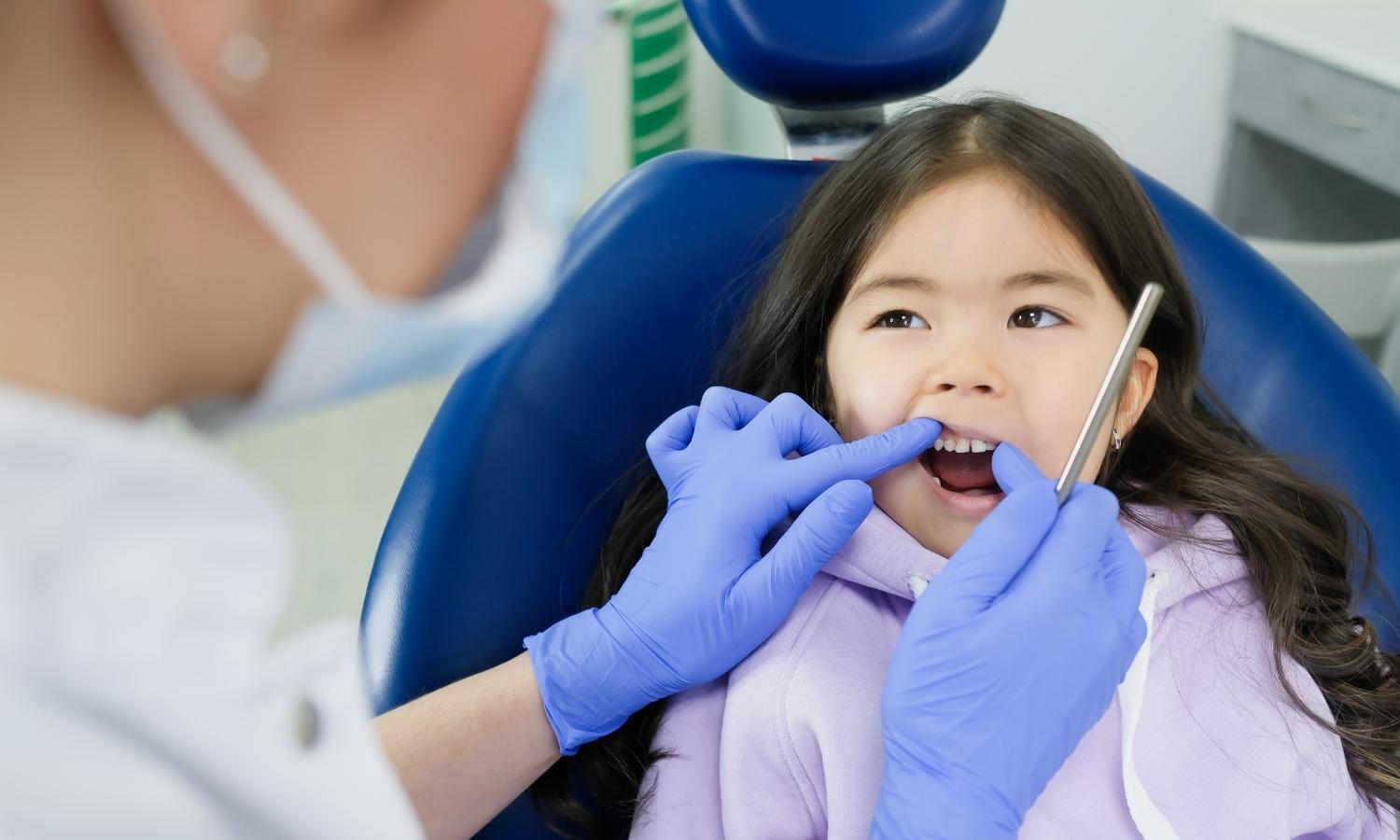
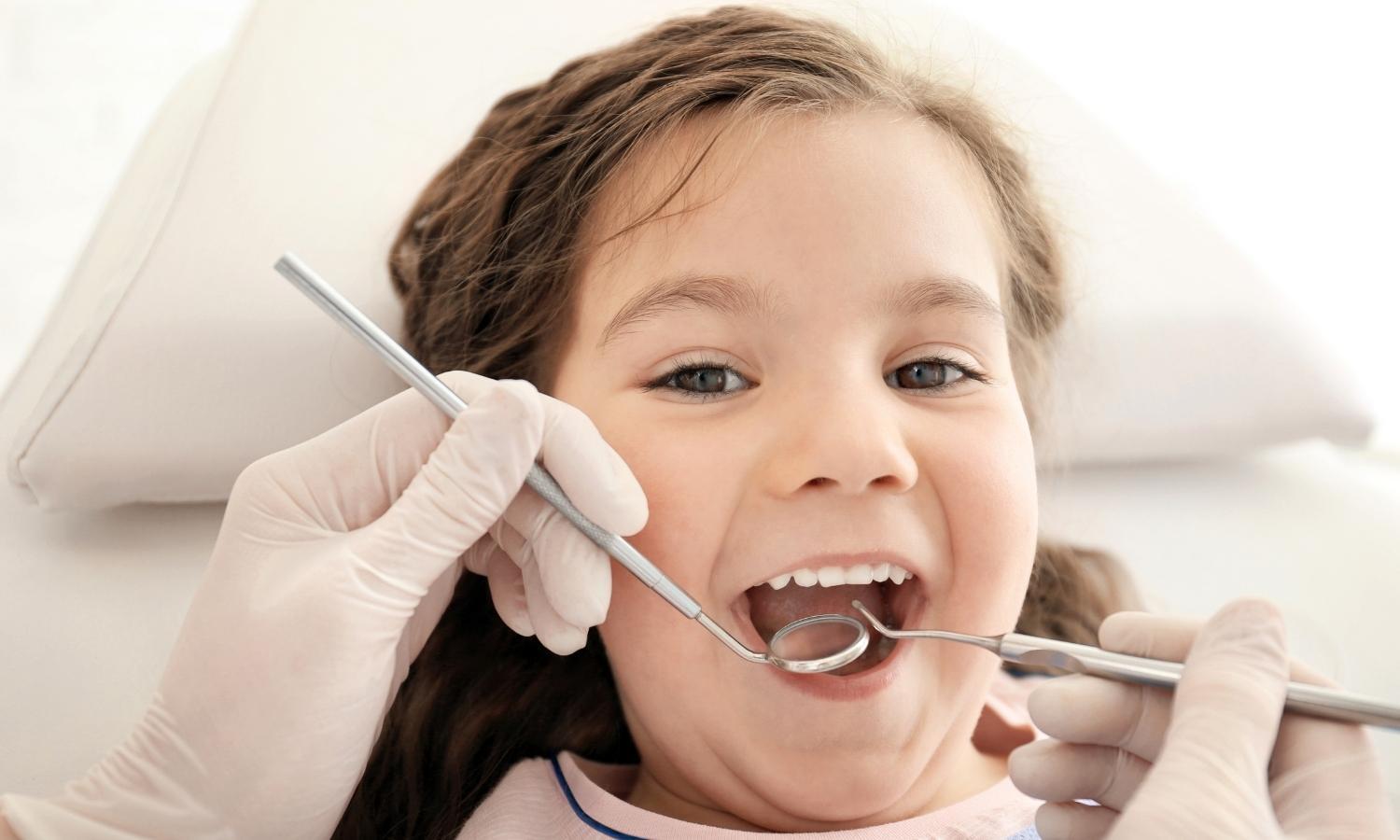
During your child’s first dentist visit, the dentist may:
- Examine teeth, gums, and jaw development
- Check for early signs of cavities
- Discuss thumb-sucking or pacifier habits
- Review brushing and flossing techniques
- Offer fluoride treatment if appropriate
The goal is not just to examine your child’s teeth; it’s to build trust.
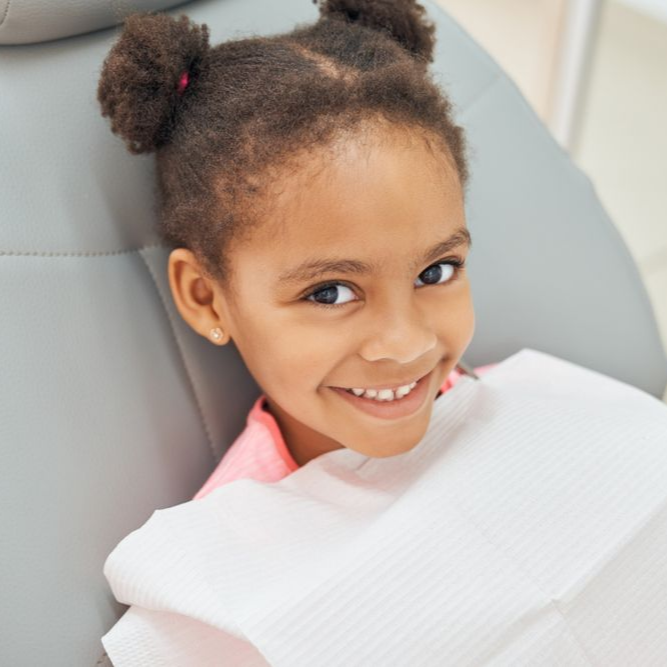
Some children may sit in the dental chair independently. Others may feel more comfortable sitting on a parent’s lap.
Pediatric dental teams are trained to adapt to each child’s comfort level.
How Parents Can Stay Calm
Children are incredibly perceptive. If you feel anxious, your child may sense it.
If you had negative dental experiences growing up, try not to share those stories before your child’s first dentist visit. Instead, focus on creating a new and positive narrative for them.
Remember, modern pediatric dentistry prioritizes comfort, communication, and prevention.
Common Concerns Parents Have
It’s completely normal to have questions before your child’s first visit. Some of the most common concerns include:
“What if my child cries?”
Crying is normal, especially for younger toddlers. Pediatric dental teams are trained to respond calmly and gently. Often, children settle quickly once they realize nothing scary is happening.
“What if my child has a cavity?”
If a concern is found, your dentist will discuss the next steps and treatment options clearly. Early detection makes treatment simpler and less invasive.
“Is it really necessary this early?”
Yes. Early visits are about prevention. Identifying small concerns before they become bigger issues can save time, money, and discomfort later.
Building Lifelong Healthy Habits
The first dentist visit is about more than checking teeth; it’s about building lifelong habits.
Children who start dental care early are more likely to:
- Maintain routine checkups
- Practice consistent brushing and flossing
- Experience less dental anxiety
- Develop stronger oral health overall
Establishing care with the best pediatric dentist in Georgia gives your child a strong foundation for a lifetime of healthy smiles.
Final Thoughts
Preparing your child for their first dentist visit doesn’t have to be stressful. With positive language, simple preparation, and a supportive pediatric dental team, the experience can be empowering and even fun.
Early care builds confidence. It reinforces that dental visits are a normal, healthy part of growing up.
If your child hasn’t had their first dental appointment yet, now is the perfect time to take that important step.
Frequently Asked Questions
At what age should my child have their first dentist visit?
Children should see a dentist by age one or within six months of their first tooth appearing. Early visits help prevent cavities and establish healthy habits.
How long does a first dentist visit usually take?
Most first visits are relatively short, often 30 to 45 minutes. The focus is on gentle examination, education, and helping your child feel comfortable in the dental environment.