
Dental Milestones: What to Expect as Your Child’s Smile Grows

Watching your child grow is one of the most rewarding experiences you can have. From their first steps to their first words, every milestone is a sign of healthy development. One of the most important yet sometimes overlooked areas of your child’s growth involves their smile. Understanding dental milestones can help you know what to expect at each stage and how to support your child’s oral health from infancy through adolescence.
Knowing when teeth should appear, when to begin dental visits, and how to maintain healthy habits sets the foundation for a lifetime of strong smiles.
The Early Years: Baby Teeth
A child’s first dental milestone is the eruption of baby teeth. This typically begins around six months. While this can vary from child to child, most infants will have all 20 primary teeth by age three.
These early teeth play a big role. They help your child eat, speak, and maintain space for permanent teeth that will develop later. Taking care of baby teeth may seem unnecessary since they will fall out eventually, but decay in these teeth can affect speech and lead to pain or infection.
As soon as the first tooth appears, it is a good idea to begin gentle brushing. A soft cloth or infant toothbrush with water works well. This early attention supports healthy habits and helps your child feel comfortable with dental care.
First Dental Visit
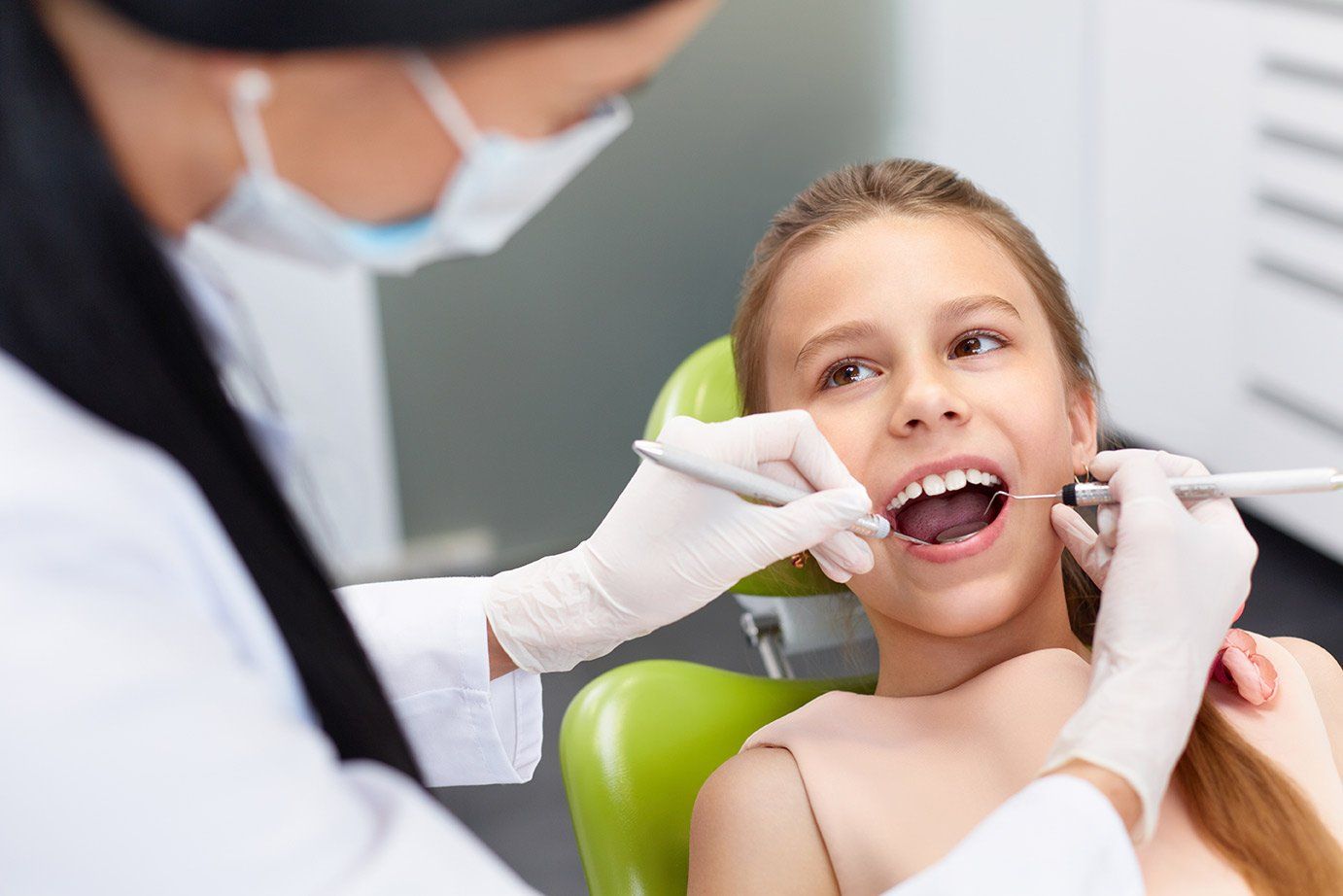
The American Academy of Pediatric Dentistry recommends that children see a dentist by their first birthday or within six months of their first tooth emerging. Establishing a relationship early with a pediatric dentistry makes sure that your child’s smile is monitored from the beginning.
The first visit is usually brief and focuses on educating parents about diet, brushing, and what to expect. This appointment gives your child a positive first impression of dental care and sets the tone for future visits.
Preschool Years: Brushing and Sealants
As your child enters the preschool years, they will begin to take on more responsibility for brushing. At this stage, supervising their brushing routine is important. Teaching them proper technique helps build lifelong habits.
Around age three or four, your child’s dental care routine may also include fluoride treatments or sealants. Sealants are thin coatings applied to the chewing surfaces of back teeth. These help protect against cavities and are especially beneficial as your child begins eating more solid foods and snacks.
During this period, regular checkups every six months help maintain dental health and allow your dentist to track growth and development.
Losing Baby Teeth and Growing Permanent Teeth
One of the most exciting dental milestones is when baby teeth begin to fall out. This usually starts around age six. Kids may feel nervous about losing teeth, but it is a natural part of growing up. As baby teeth fall out, they make room for the permanent teeth beneath.
Permanent teeth are larger and stronger, and they are meant to last a lifetime with proper care. Because these teeth are so important, this is a time when dental hygiene habits really matter. Brushing twice a day, flossing regularly, and maintaining routine dental visits help keep your child’s smile healthy.
Irregular spacing or crowding can be noticed during this phase. Visiting the best pediatric dentist in Georgia during this time makes sure that any concerns are addressed early, which can prevent issues later.
The Teenage Years: Orthodontic Considerations
As your child enters their teenage years, another set of changes occurs. The last of the permanent teeth typically come in by age 12 or 13. At this stage, many parents begin thinking about orthodontic care. Straightening teeth and correcting bite issues can improve both function and confidence.
An early evaluation with a dentist or orthodontist can help identify when treatment may be needed. In some cases, early intervention can prevent more complex problems in the future.
Your dental team will guide you through what to expect and when it is the right time for braces or other orthodontic appliances.
Supporting Healthy Oral Growth at Every Stage
Healthy oral growth is a combination of good habits, regular dental care, and proper nutrition. From infancy through the teenage years, the choices you make now will influence your child’s dental health for years to come.
Limiting sugary snacks and drinks, encouraging regular brushing and flossing, and visiting your dental provider on a routine schedule all contribute to strong, healthy teeth. These practices also help prevent cavities and gum issues that can affect your child’s comfort and confidence.
When to Seek Additional Support
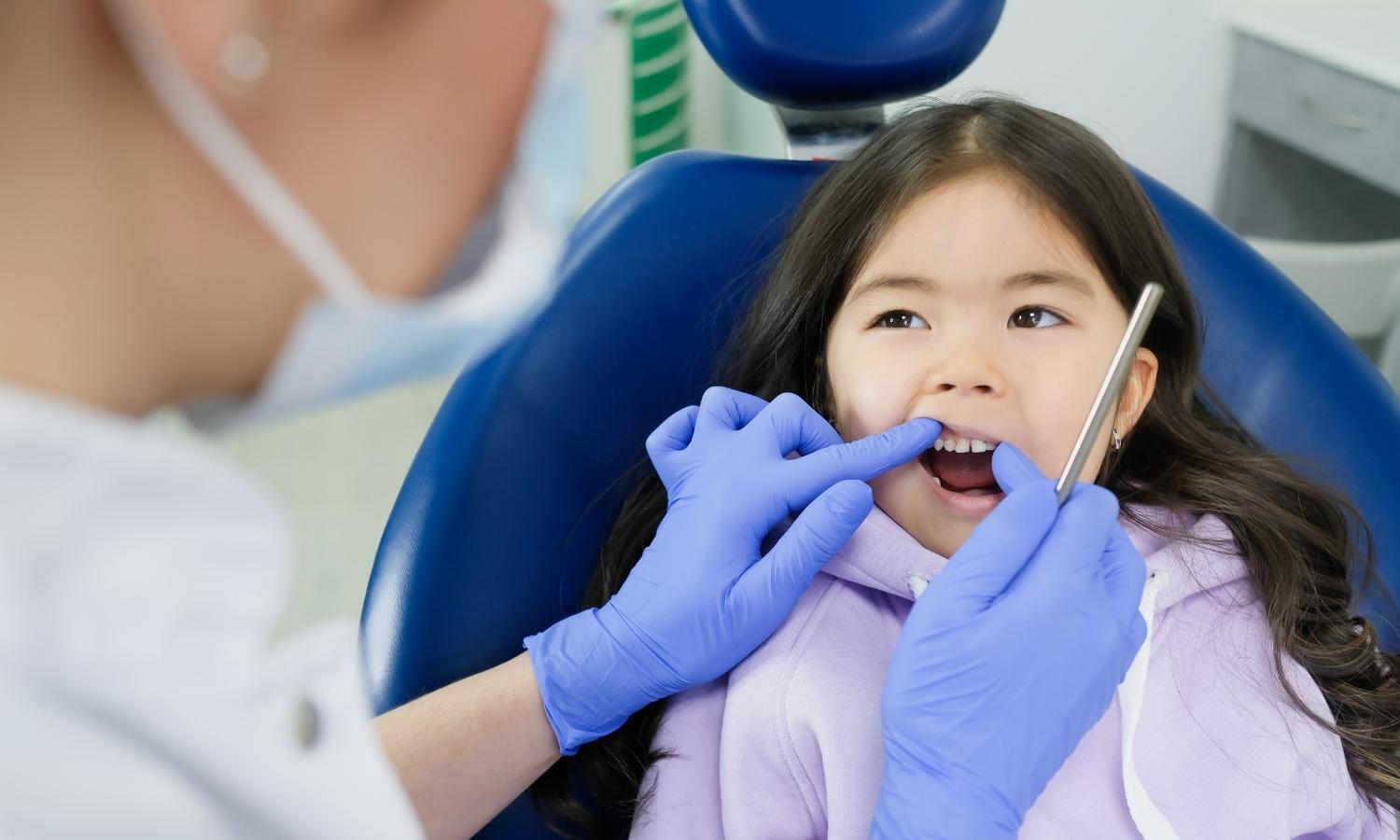
Some children may experience dental anxiety or sensory sensitivity. In these cases, working with a trained pediatric dental team can make dental visits easier and more positive. Specialized approaches help children feel safe and build trust with their dental provider.
Finding a dental office that understands how to work with children of all ages and temperaments is important. A gentle approach helps children develop a lifelong comfort with oral care.
Building a Healthy Smile for Life
Understanding dental milestones helps you support your child’s smile every step of the way. Knowing when to expect changes and how to care for new teeth gives you confidence in your role as a parent. From the first tooth to a full set of adult teeth, each stage offers an opportunity to reinforce healthy habits.
By providing loving guidance and consistent care, you help make sure that your child’s dental health is strong long into adulthood.
FAQs
At what age should my child first visit a dentist?
Children should see a dental provider by their first birthday or within six months of their first tooth appearing. This helps establish a foundation for healthy dental habits.
How often should my child visit the dentist as they grow?
Routine dental visits every six months help monitor oral health, track development, and prevent issues before they become serious.