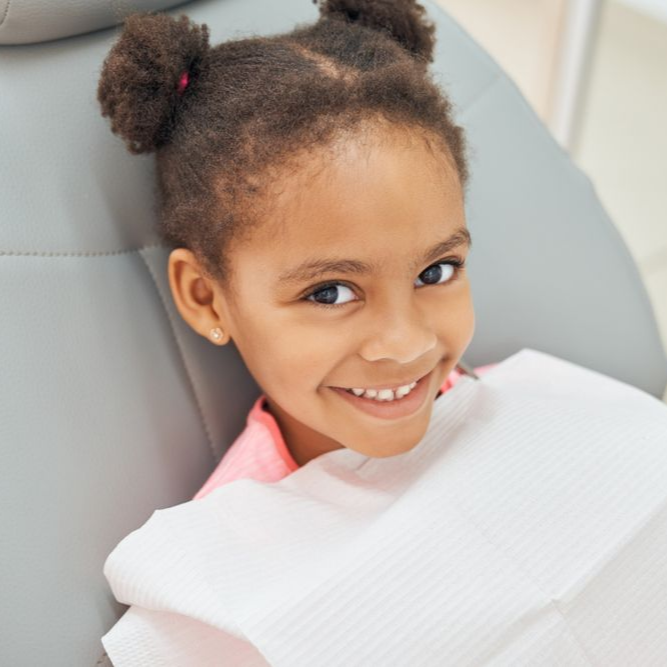

Why Your Child Needs a Pediatric Dentist, Not Just Any Dentist

As a parent, you’re always juggling a dozen things to keep your kids healthy and happy. You schedule their annual physicals, make sure they get their vaccines, and buy them sturdy shoes for the playground. But what about their teeth? It might be tempting to just bring them along to your own dental appointment but taking them to a specialized dentist for kids is one of the most important things you can do for their long-term health.
Let's talk about why it is important for dental care at a young age and how a pediatric dentist makes all the difference. It’s about more than just checking for cavities; it’s about building a positive relationship with dental health that can last a lifetime.
What Makes a Pediatric Dentist Different?
A pediatric dentist isn't just a general dentist who happens to treat children. They are specialists. After completing dental school, they go through two to three additional years of training focused exclusively on the dental needs of infants, children, and teens. This specialized training covers everything from child psychology and development to treating patients with special health needs.
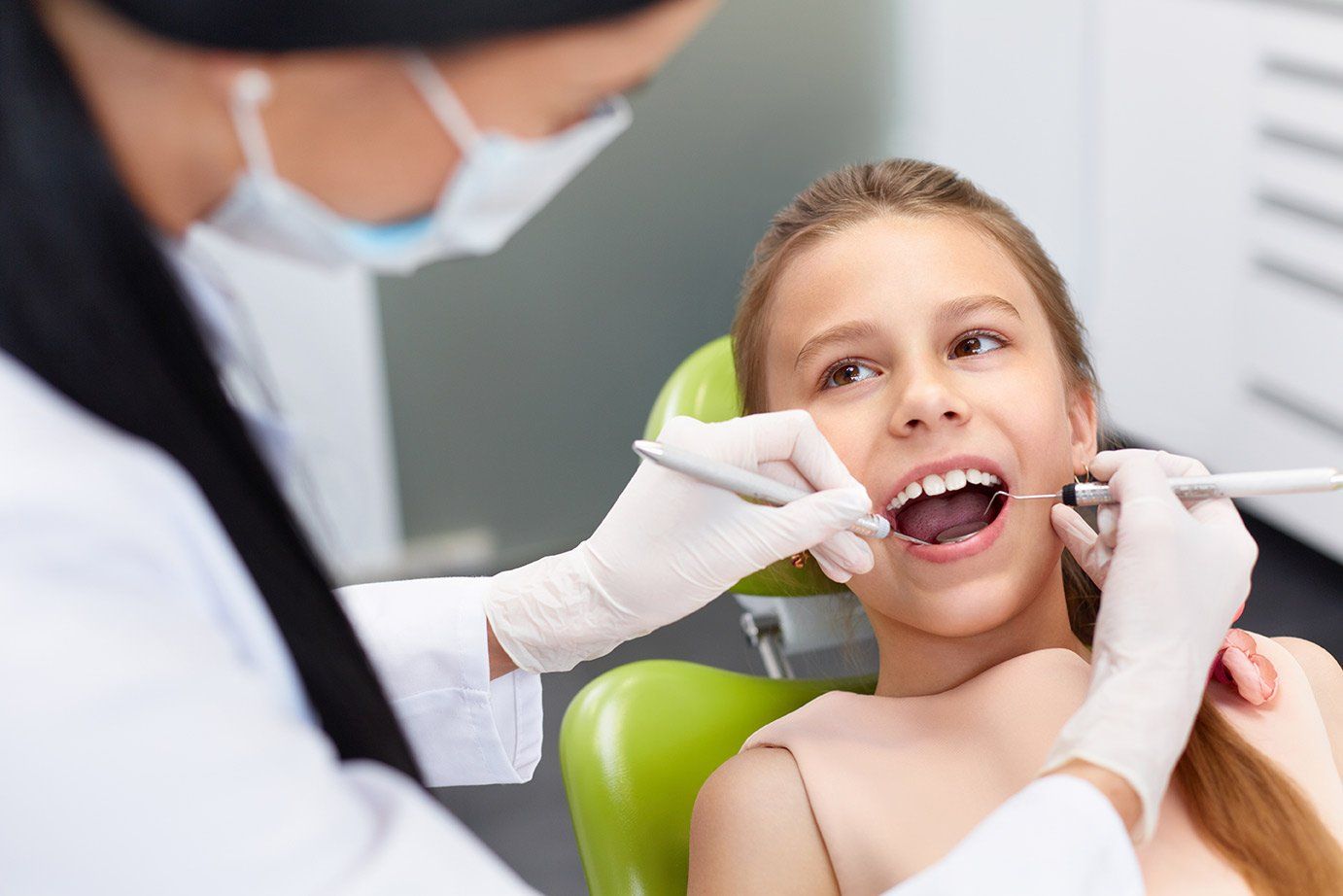
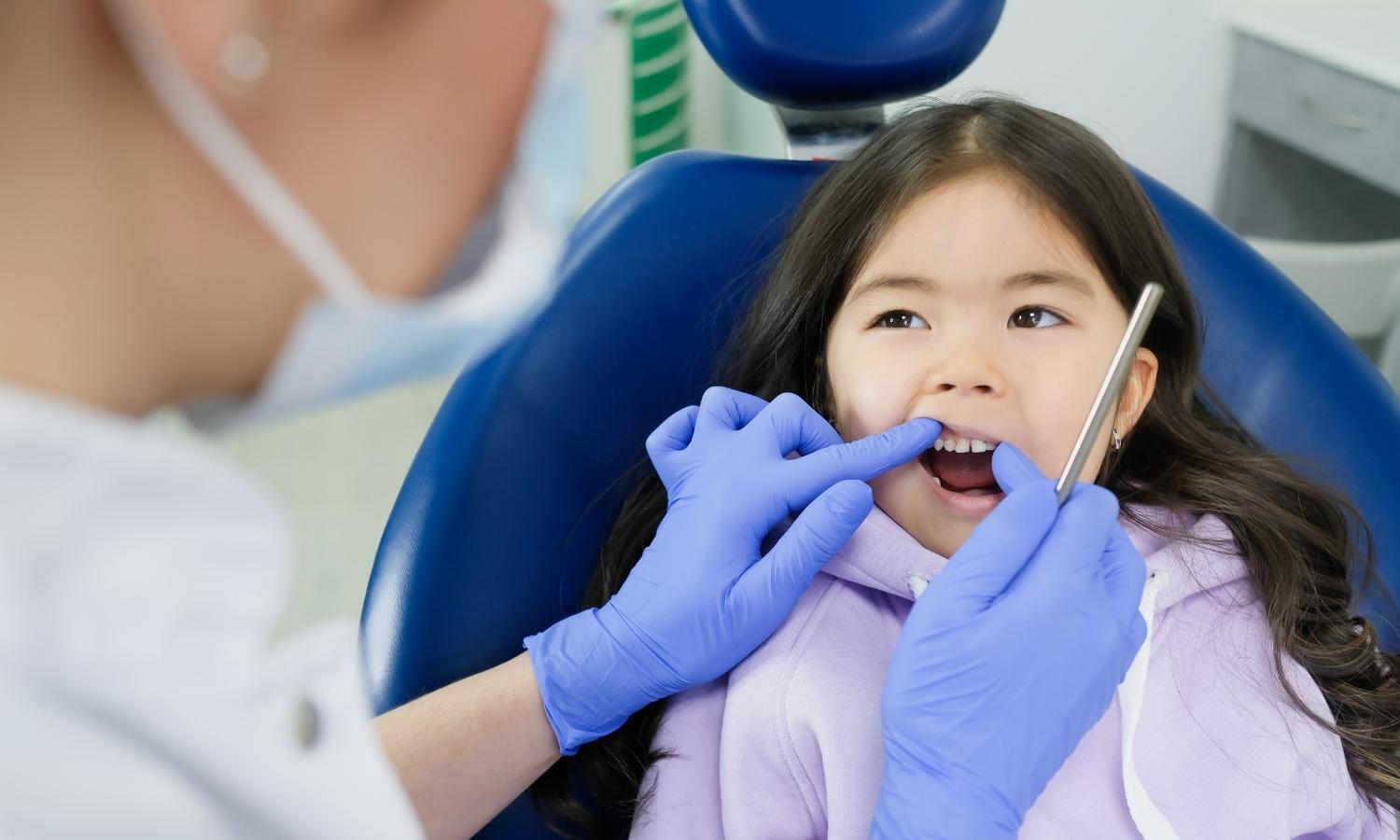
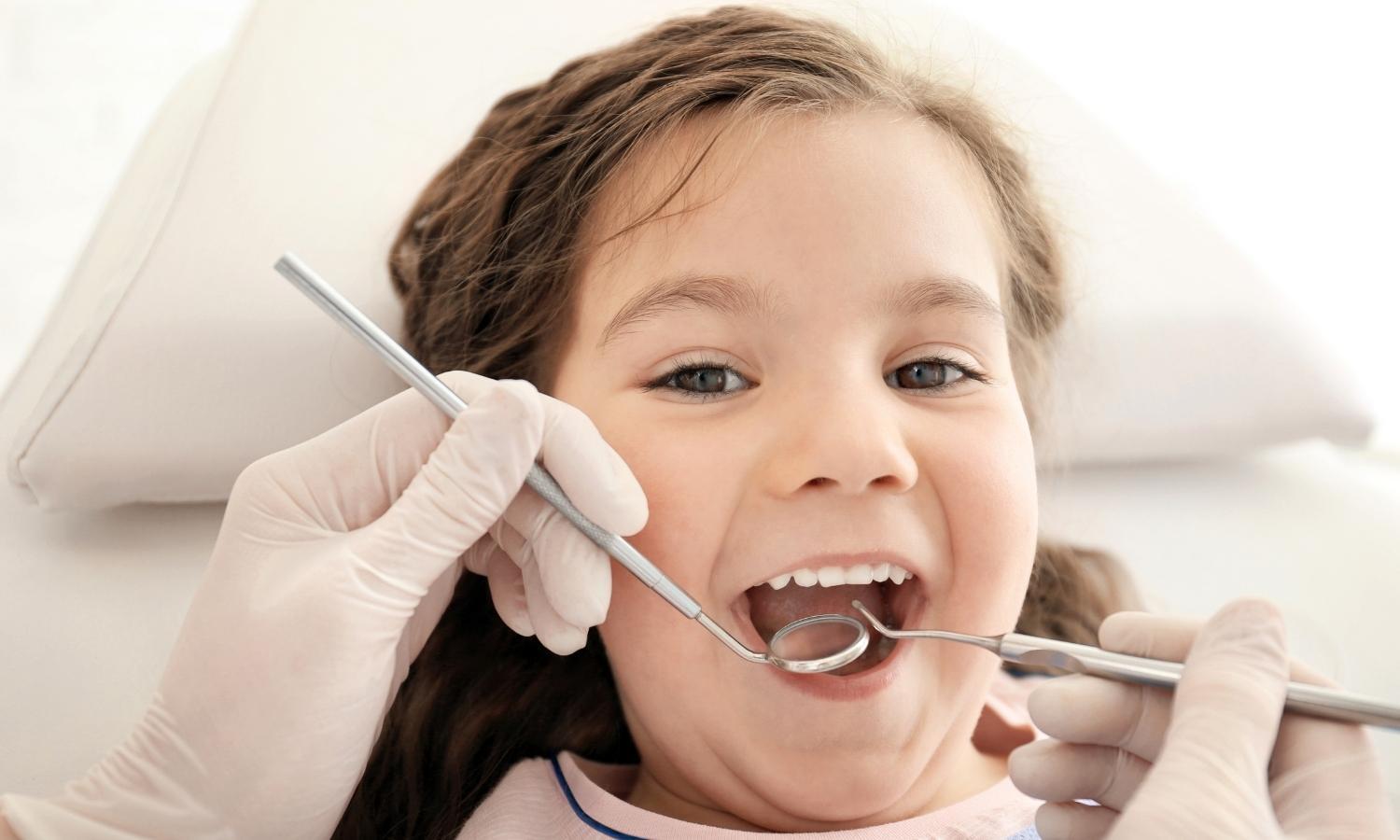
Think of it this way: you take your child to a pediatrician for their medical care, right? The same logic applies to their dental care. Pediatric dentists create an environment that is welcoming, not intimidating. The offices are often brightly colored, the staff is trained to speak to kids on their level, and the tools are designed for smaller mouths.
The goal is to make pediatric dentist check-ups a positive experience. When kids feel comfortable and safe, they are less likely to develop dental anxiety, which is a major hurdle for many adults.
They Focus on Prevention and Education
One of the cornerstones of pediatric dentistry is prevention. It's not just about fixing problems—it's about stopping them before they even start. During a check-up, a pediatric dentist will do more than just clean your child's teeth. They will:
- Teach proper brushing and flossing techniques: They use fun, easy-to-understand language and models to show kids exactly how to care for their teeth.
- Provide dietary counseling: They can help you identify sneaky sugars in your child's diet and suggest healthier alternatives to protect their enamel.
- Apply dental sealants: These thin, protective coatings are painted onto the chewing surfaces of back teeth (molars) to prevent decay in the deep grooves.
- Administer fluoride treatments: Fluoride helps make teeth more resistant to acid attacks from plaque and sugars.
Did You Know? Tooth decay is the most common chronic childhood disease in the United States. According to the Centers for Disease Control and Prevention (CDC), more than half of children aged 6 to 8 have had a cavity in at least one of their baby teeth. Regular pediatric dentist check-ups can significantly reduce this risk.
Baby Teeth Matter More Than You Think
There’s a common misconception that baby teeth (primary teeth) aren't important because they’re just going to fall out anyway. This couldn't be further from the truth. Baby teeth play a crucial role in your child's development.
They help your child:
- Chew food properly, which is essential for good nutrition.
- Speak clearly.
- Save space for their permanent teeth to erupt correctly.
If a baby tooth is lost too early due to decay, the neighboring teeth can drift into the empty space. This can block the permanent tooth from coming in, leading to crowded or crooked teeth that may require orthodontic treatment down the road. A dentist for kids understands the growth patterns of a child's mouth and can monitor these changes to make sure that everything is on the right track.
Did You Know? A child's first dental visit should happen when their first tooth appears, or no later than their first birthday. This early visit allows the pediatric dentist to spot any potential issues and gives you, the parent, valuable advice for caring for your baby's new teeth.
Tracking Growth and Development
A child's mouth goes through incredible changes from infancy to adolescence. A pediatric dentist is an expert in monitoring this journey. During regular check-ups, they watch for issues related to jaw growth, bite alignment, and the eruption of permanent teeth.
By identifying potential orthodontic problems early, a pediatric dentist can sometimes intervene to make future treatment simpler and less invasive. They can spot habits like thumb sucking or tongue thrusting that might affect your child’s bite and offer gentle, effective solutions to address them.
How All Stars Pediatric Dentistry Can Help
Understanding why it is important for dental care at a young age is the first step. The next is finding a dental home where your child feels comfortable and cared for. At All Stars Pediatric Dentistry in Cumming, GA, we specialize in creating positive dental experiences for kids.
Our team, led by Dr. John Haffner, is dedicated to making every visit fun and stress-free. We believe in building trust with our young patients and empowering them with the knowledge to maintain a "shining smile." From routine check-ups and cleanings to fillings and preventive sealants, we are equipped to handle all of your child’s dental needs in a warm and welcoming environment.
We understand that every child is unique, and we tailor our approach to fit their personality and comfort level. Our goal is to be your partner and to make sure your child grows up with a healthy smile and a positive attitude toward dental care.
Ready to give your child the best start for a lifetime of healthy teeth? Schedule an appointment with All Stars Pediatric Dentistry today. Let’s work together to help your rising star grow a shining smile!
FAQs
1. What is the best age to start taking my child to a pediatric dentist?
The best time to start is when your child’s first tooth appears or by their first birthday. Early visits help establish good oral hygiene habits and allow the dentist to monitor your child’s dental development.
2. Why are baby teeth so important if they eventually fall out?
Baby teeth play a crucial role in helping children chew, speak, and save space for permanent teeth. Losing them too early can lead to alignment issues and other dental problems.